
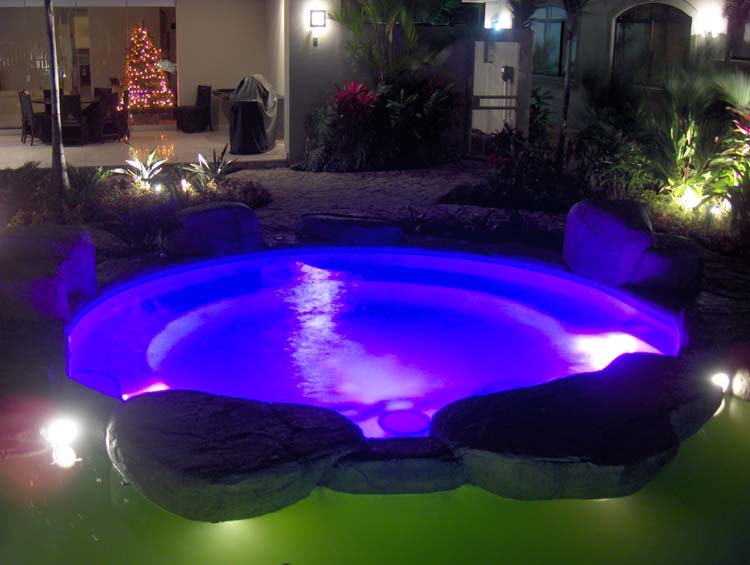
Short answer: an eco-friendly pool is one that cleans and sanitizes its water with fewer chemicals and less energy. It can be a natural pool, where aquatic plants and a biological filter keep the water clean without chlorine, or a conventional pool that uses salt chlorination, ozone, ultraviolet light, efficient pumps and solar power to reduce its environmental impact.
In Costa Rica, with its warm climate, its culture of conservation and its abundant sun, eco-friendly pools make more and more sense.
The two main types
1. Natural pools
They work like an ecosystem. The water flows through a regeneration zone with aquatic plants, gravel and microorganisms that consume the nutrients algae feed on. A low-energy pump circulates the water between the swimming area and the plant zone.
- Advantages: chlorine-free water that's gentle on skin and eyes, and a lagoon look that blends into the garden.
- Things to consider: they need more space (the plant zone can take up a significant part of the total), the water has a more natural tone and the biological balance requires different maintenance than a traditional pool.
2. Low-impact conventional pools
These are pools like the ones you know, but equipped to use fewer chemicals, less water and less electricity. It's the most common option because it keeps the water crystal clear and the classic look.
The technologies that make a pool eco-friendly
Salt chlorinator. It continuously converts a small amount of salt dissolved in the water into chlorine. You buy far fewer chemicals and the water feels softer. It has its own article on this blog.
Ozone. A generator produces ozone that destroys bacteria and organic matter in the water passing through the unit. It allows a large reduction in the amount of chlorine needed.
Ultraviolet (UV) light. The water passes through a lamp that inactivates bacteria and viruses. Like ozone, it's combined with a low dose of chlorine.
Variable-speed pumps. They adjust their speed to what the pool needs at each moment and use considerably less electricity than a single-speed pump.
Solar power. Solar panels for pumping or collectors for heating the water take advantage of the sunshine Costa Rica enjoys for much of the year.
LED lighting. It uses a fraction of the power of halogen lights and lasts for years.
Pool cover. When the pool isn't in use, a cover reduces evaporation, debris and heat loss.
Water recycling. Some systems reuse filter backwash water or capture rainwater to replace what evaporates.
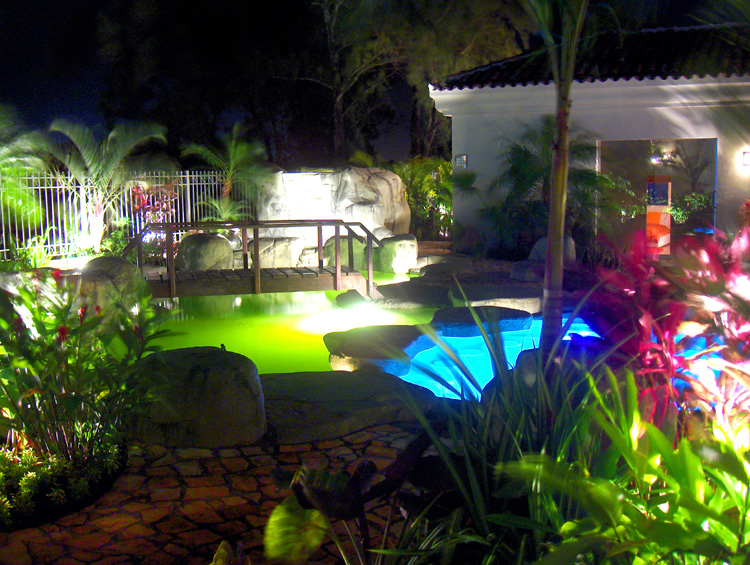
Ponds: another kind of eco-friendly water feature
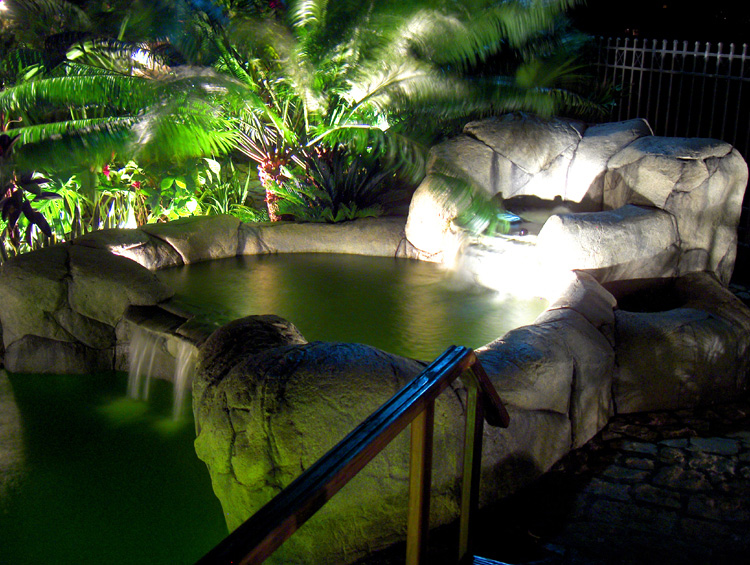
Not every eco-friendly water feature is for swimming. Ponds with water lilies and fish, stone waterfalls and reflecting pools create a natural atmosphere in the garden, attract wildlife and, when well designed, stay clean with plants and simple filtration.
How an eco-friendly pool is designed
The eco-friendly part starts with the design, before choosing any equipment:
- Location and sun. A pool that gets sun for much of the day stays warmer and makes better use of solar energy. Away from trees that drop leaves, it needs less cleaning and fewer chemicals.
- The right size. A pool sized for real use consumes less water, energy and chemicals than an oversized one.
- Well-calculated plumbing and equipment. Pipes of the right diameter and short runs allow a smaller, more efficient pump.
- Native plants around it. They reduce irrigation, shade the equipment and attract birds and butterflies instead of pests.
- Decks that stay cool. Light-colored, porous materials around the pool reduce heat and keep dirty runoff from flowing into the water.
How much can you save?
It depends on the size of the pool and the technologies you combine. The biggest savings usually come from two places:
- Electricity: the pump is the equipment that uses the most power. Replacing it with a variable-speed pump is, in many cases, the upgrade that pays for itself fastest.
- Chemicals: a salt chlorinator, ozone or UV light reduce your monthly chlorine purchases.
Can an existing pool be converted?
Yes, in most cases. You can install a salt chlorinator, replace the pump, add ozone or UV and switch the lighting to LED without demolishing the pool. Turning it into a natural pool is a bigger project because it requires building the regeneration zone.
Frequently asked questions
Does an eco-friendly pool use no chlorine at all?
Natural pools don't use chlorine. Low-impact conventional pools use much less than a traditional one, and with a salt chlorinator the chlorine is produced by the unit itself.
Is the water in a natural pool crystal clear?
It's clean and transparent, but with a more natural tone, similar to a mountain lake.
Does it cost more to build?
Eco-friendly technologies add to the upfront cost, but they reduce the monthly spending on electricity and chemicals.
LuxART eco-friendly projects
At Piscinas LuxART we design low-impact pools and water features in Santa Ana, Escazú and other parts of the country. See our eco-friendly projects and tell us your idea.