
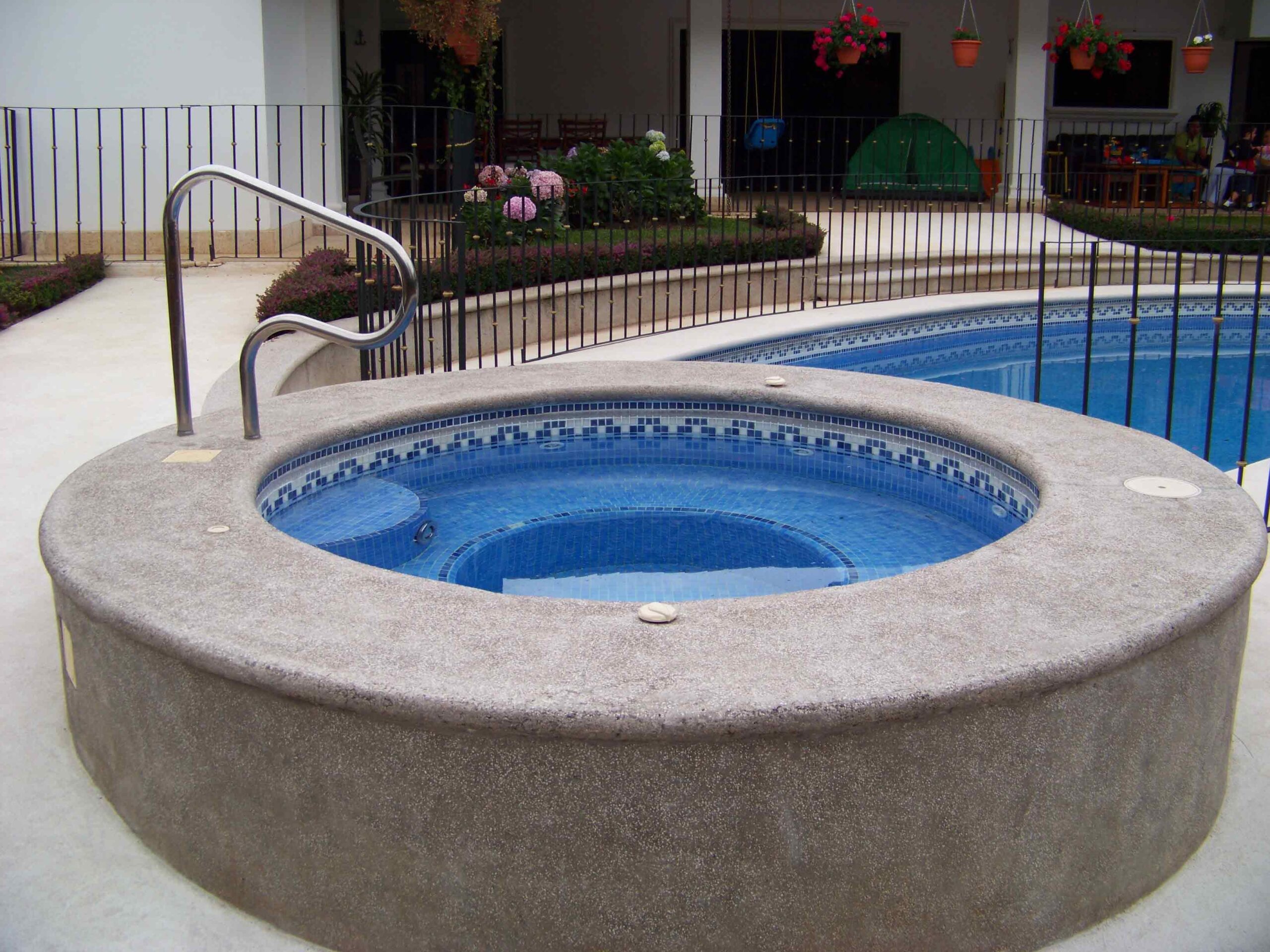
Short answer: the most important measure is constant adult supervision: child drownings usually happen within minutes and in silence. Add to that physical barriers (a fence or mesh with a self-closing gate), a safety cover when the pool isn't in use, non-slip surfaces, protected suction outlets and making sure children learn to swim. No measure replaces another: safety works in layers.
1. Supervision: the non-negotiable measure
- A responsible adult watching the water whenever children are nearby, with no phone or distractions.
- At gatherings, take turns assigning a “water watcher”, so no one assumes someone else is paying attention.
- Floaties and inflatable toys are not life jackets.
- If a child is missing, check the pool first.
2. Physical barriers
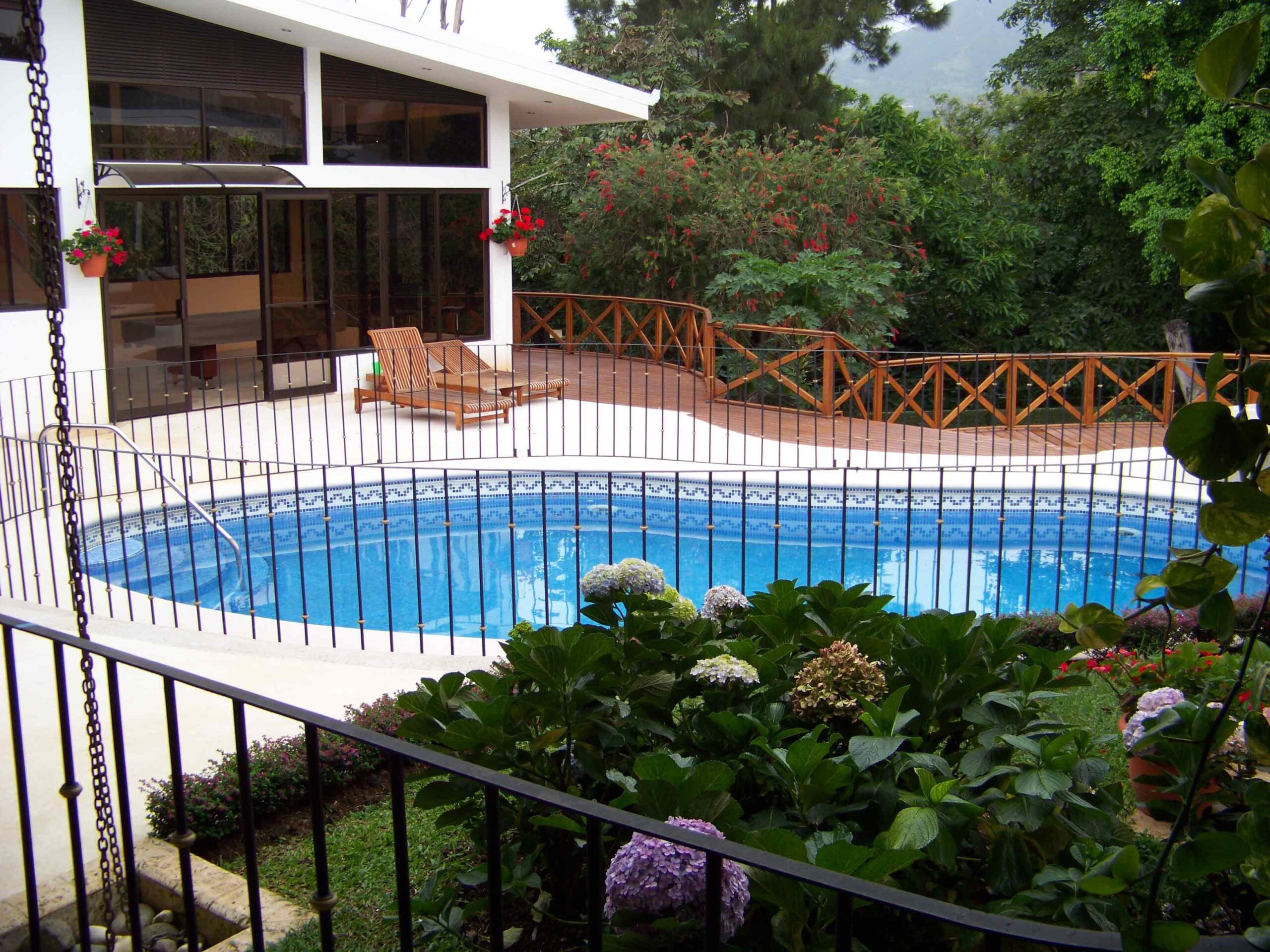
Perimeter fence or mesh. It separates the pool from the house and the garden. It's recommended that it:
- Surrounds the pool completely, with no gaps a child could get through.
- Is tall enough that a small child can't climb it, with no horizontal rails that work as a ladder.
- Has a self-closing, self-latching gate, with the latch out of children's reach.
Removable mesh fencing. A good option for families with young children who may want to remove the fence in the future. It anchors into the deck and comes out when it's no longer needed.
Safety cover. When the pool isn't in use, a sturdy cover prevents falls. Regular covers for keeping in heat or keeping out leaves are not safety covers unless they're designed to bear weight.
Alarms. There are alarms for doors leading to the pool and sensors that detect something falling into the water. They're a complement, not a substitute for a fence.
3. Safe design
If the pool hasn't been built yet, the design can make it much safer:
- Shallow areas for the little ones, with a beach entry or wide steps.
- Depth changes marked with a colored stripe on the floor and walls.
- Non-slip decks and coping around the pool.
- Steps and benches for getting out easily at any point.
- Good lighting to see the bottom at night.
- Visibility from the house, so you can supervise from the living room or kitchen.
4. Suction outlets and equipment
- Main drain suction outlets must have anti-entrapment covers in good condition, ideally in pairs, so hair or a body part can't get caught.
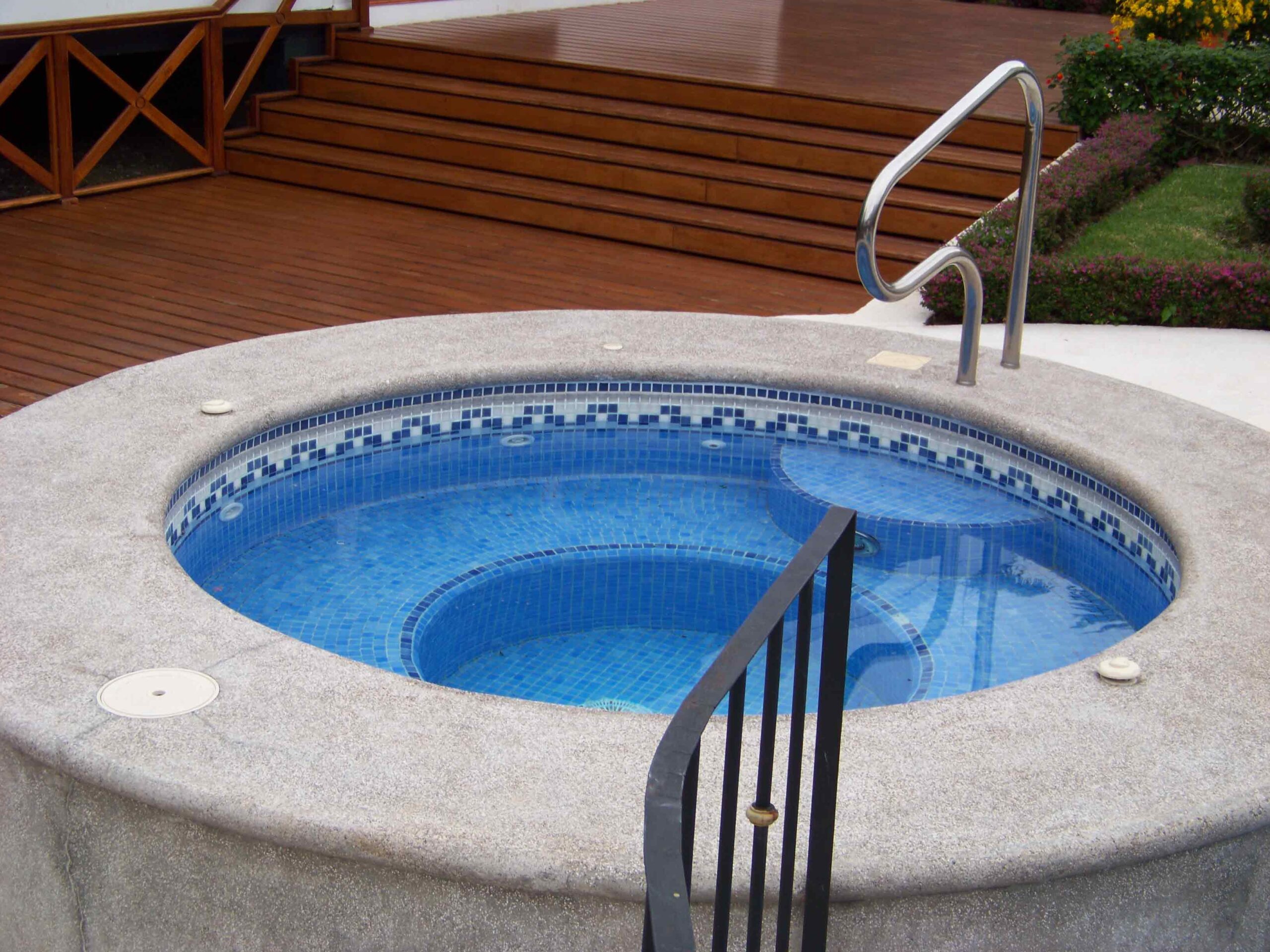
- The spas need the same protection and, for young children, a lower temperature and short sessions.
- The equipment room and chemicals must be kept locked.
- The electrical installation for pumps and lights must have proper protection.
5. Teach the children
- Swimming lessons from an early age, suited to their age.
- Clear rules: no running around the pool, no pushing, no going in without an adult and no diving into shallow areas.
- Knowing what to do if they see someone in trouble: tell an adult, don't jump in.
6. Be prepared
- Keep a ring buoy or a reaching pole handy to reach someone from the edge.
- Keep a phone nearby and emergency numbers visible; in Costa Rica, 9-1-1.
- Consider a first aid and CPR course for the adults in the house.
For pets too
Dogs can fall into the pool and not find the way out. To protect them:
- Teach them where the steps are to get out.
- Install an exit ramp if the pool doesn't have wide steps.
- Use the same fence or mesh that protects the children.
- Don't leave them alone near the water, especially if they're small or older.
Quick check for your pool
- Does the fence surround the whole pool, and does the gate close by itself?
- Are the suction covers complete and secure?
- Is the surrounding deck non-slip?
- Are the chemicals and the equipment room locked?
- Is there a life ring and a phone within reach?
Frequently asked questions
How tall should the fence be?
Tall enough that a small child can't climb it. A professional can recommend the height and model for your space.
Is removable mesh fencing safe enough?
Properly installed and with its gate closed, it's an effective barrier, always combined with supervision.
Can safety features be added to an existing pool?
Yes. Fences, mesh, covers, alarms, new drain covers and non-slip decks can be installed without building a new pool.
At what age can children swim without supervision?
Even if they know how to swim, children need adult supervision in the pool. Knowing how to swim reduces the risk, but doesn't eliminate it.
Safe pools with LuxART
At Piscinas LuxART we design pools with families in mind and advise you on barriers, covers and safety equipment for your current pool. Learn about our construction and remodeling.