
Short answer: the price of a pool in Costa Rica depends mainly on five things: size, site conditions, type of structure, finishes and equipment. Two pools of the same size can cost very different amounts if one has glass mosaic tile, a waterfall and a spa, and the other has a simple finish and basic equipment.
In this guide we explain what weighs most on the budget, where it pays to invest and where you can save without regretting it later.
1. Size and depth
This is the most obvious factor: more square meters mean more excavation, more concrete, more finish and more water to filter. But depth matters as much as length. A pool for children and relaxing doesn't need more than 1.20 to 1.50 meters; a deep end for diving requires more excavation, more structure and more water to maintain every month.
Tip: think first about how you will use it. If it's for cooling off and spending time with family, a pool with a uniform, moderate depth gives you more for every colón you invest.
2. The site
Before giving a firm quote, a good builder visits the property. What they find changes the cost:
- Rocky or filled ground: excavation is slower and may need special machinery.
- Slope: requires retaining walls or raised structures. In return, it opens the door to an infinity edge with a view.
- High water table: common in low-lying areas and near the ocean. It requires drainage and a structure that can withstand groundwater pressure.
- Access: if machinery can't get into the yard, part of the work is done by hand, and that takes longer.
3. Type of structure
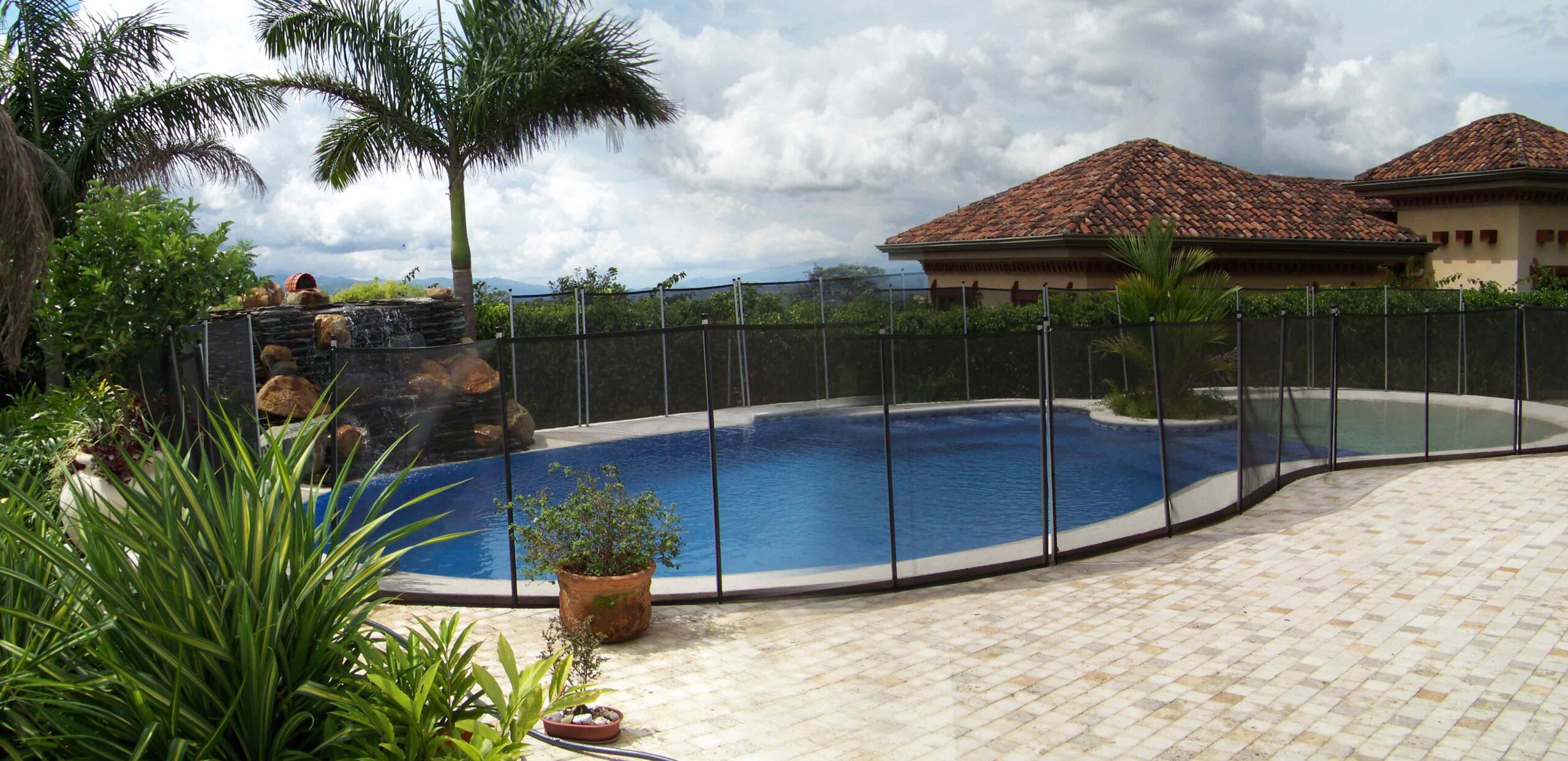
In Costa Rica most residential pools are built in reinforced concrete, which allows any shape and lasts for decades when it's well built. There are also prefabricated fiberglasspools, which install faster but come in fixed shapes and sizes and need a truck that can reach the site with the whole shell.
Concrete lets you integrate steps, benches, beach entries, waterfalls and spas into the same structure. That's why, even though the upfront investment is usually higher, it's the most versatile option for a custom design.
4. Finishes
The finish is what you see and touch, and it's where budgets vary the most:
- Pool paint: the most affordable option, but it has to be repainted every few years.
- Cement-based or quartz plaster: more durable, with a pleasant texture.
- Glass mosaic or porcelain tile: very tough and easy to clean, in a wide range of colors.
- Natural stone: the most exclusive finish; it gives the water very natural turquoise or green tones.
Add to this the coping (stone, concrete or porcelain) and the deck around the pool, which is usually a significant part of the budget and is sometimes forgotten during planning.
5. Equipment
A pool needs at least a pump, a filter, plumbing and a sanitation system. Price differences come from quality and efficiency:
- The variable-speed pumps cost more upfront, but use much less electricity than a traditional pump, and you notice it on the bill every month.
- A salt chlorinator produces chlorine from salt and cuts down on chemical purchases.
- The LED lighting uses little power and lets you enjoy the pool at night.
- A heater (heat pump, solar or gas) is useful in the cooler, higher areas of the Central Valley.
Tip: the equipment does most of the work over the life of the pool. Saving on the pump or filter usually ends up costing more in electricity and repairs.
6. Extras that change the budget
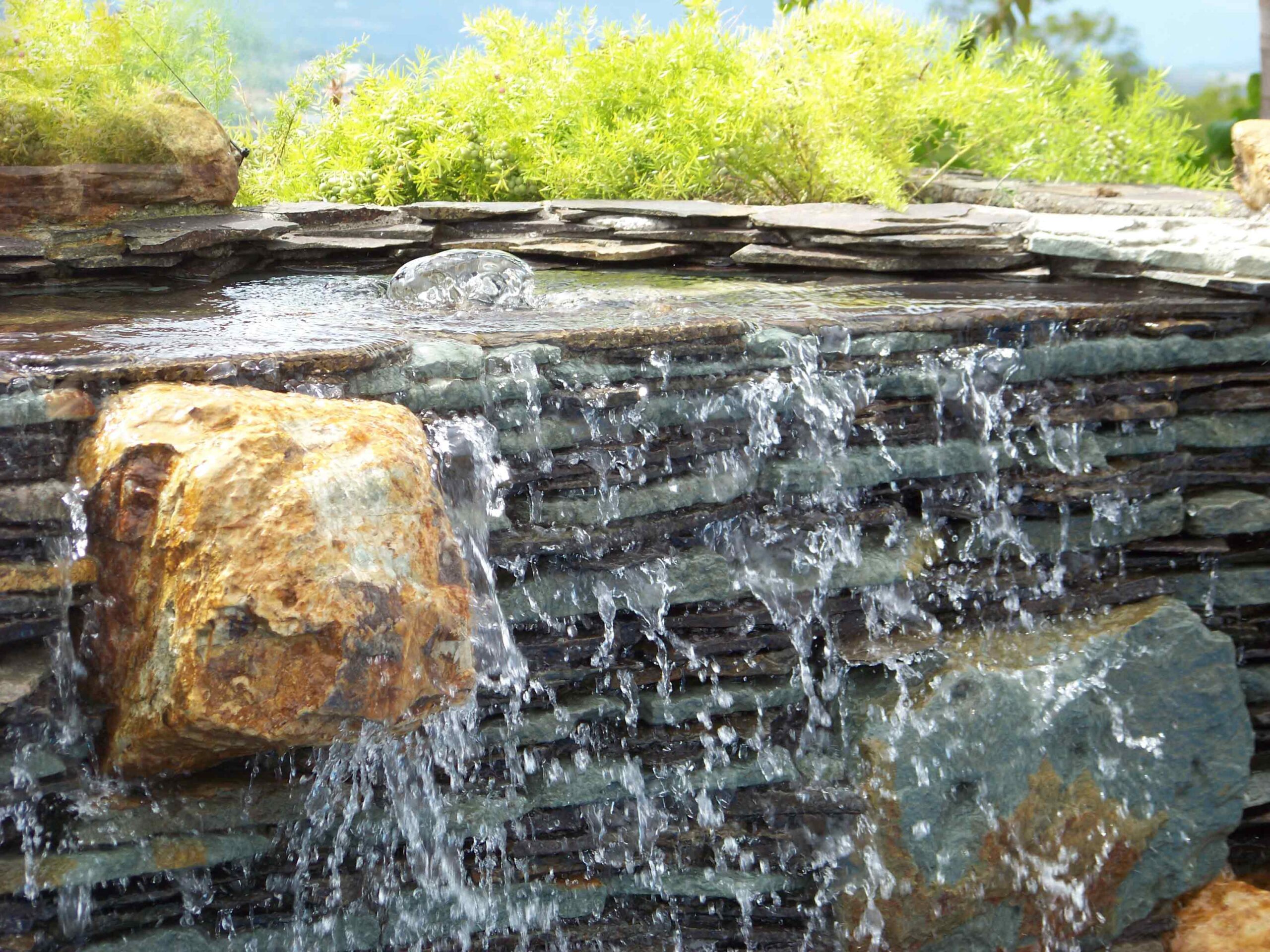
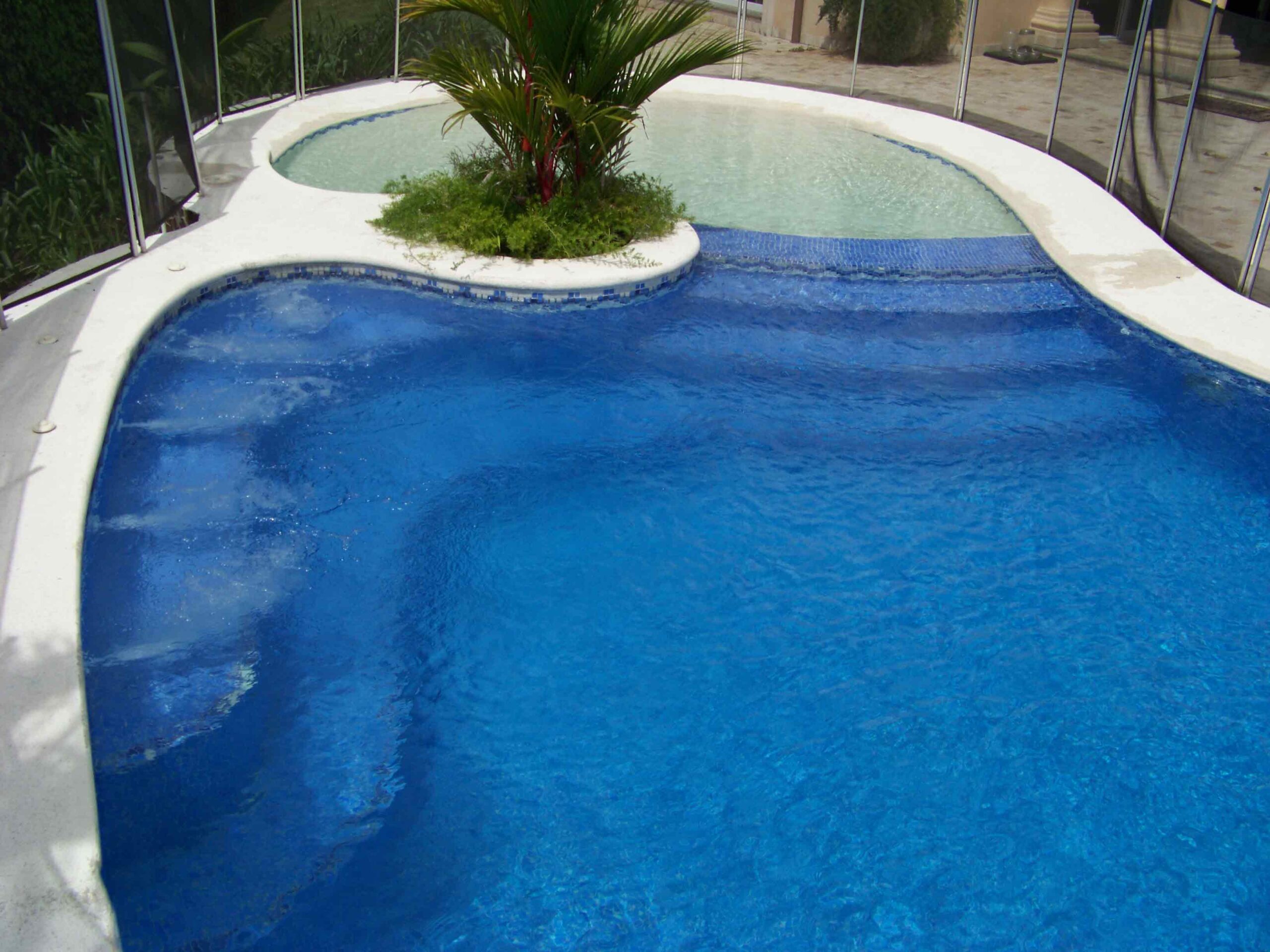
Waterfalls, spas, beach entries, sun shelves, slides, infinity edges, laminar jets or smartphone automation. Each feature adds cost, and it's worth deciding on them during design: adding them later almost always costs more than including them from the start.
7. Plans, permits and other costs
A pool in Costa Rica requires plans signed by a licensed professional and a building permit from the municipality. You should also budget for:
- The initial fill and the first chemicals.
- The electrical connection for the equipment room.
- The monthly cost of maintenance, electricity and water.
How to request quotes you can compare
To compare quotes from different companies, ask them all to quote the same thing:
- Dimensions and depth.
- Type of structure and wall thickness.
- Interior finish, coping and surrounding deck.
- Brand and model of the pump, filter and sanitation system.
- What's included and what isn't: plans, permits, excavation, soil hauling, filling and warranty.
A low quote that leaves out excavation or permits can end up costing more than a complete one.
Frequently asked questions
Is a small pool much cheaper?
It's cheaper, but not in proportion to its size: equipment, permits and design cost almost the same. That's why a well-designed compact pool with a good finish is often a better investment than a large one with basic materials.
How much does it cost to maintain per month?
It depends on the size, the equipment and whether you hire a maintenance service. We cover it in detail in our article on pool maintenance.
Can it be built in stages?
Yes. For example, you can build the pool first and add the spa or waterfall later, as long as the design and plumbing are prepared from the start.
Get a quote for your pool from LuxART
At Piscinas LuxART we have been designing and building custom pools in Costa Rica for over 20 years. We visit your property, propose a design and give you a clear quote that spells out everything it includes.
Request your quote or message us on WhatsApp.